4/19/2010


7/10/2009



4/20/2009
O BLOG MUDOU DE LUGAR
A PARTIR DE ABRIL DE 2009, O BLOG DO PENSANDO MARKETING ESTÁ DENTRO DO PRÓPRIO SITE:
http://www.pensandomarketing.com
4/11/2009

12/18/2008
Neve em Las Vegas - Aquecimento Global ?
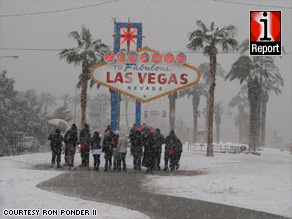 No mesmo dia em que foi anunciado que 2008 foi o ano mais frio do século (até então era 2007), aparece essa foto de Las Vegas, um forno no deserto, totalmente sob a neve.
Os EUA estão sofrendo um dos invernos mais rigorosos das últimas décadas.
Como o Sol entrou em um período de ausência de manchas, significando um esfriamento da Terra, o pessoal da ONU e os globalistas precisam correr para aprovarem o imposto do carbono, para colocarem a coleira na gente de vez, antes que a mentira deles seja enterrada sob uma montanha de neve.
http://edition.cnn.com/2008/US/weather/12/18/vegas.snow/index.html
No mesmo dia em que foi anunciado que 2008 foi o ano mais frio do século (até então era 2007), aparece essa foto de Las Vegas, um forno no deserto, totalmente sob a neve.
Os EUA estão sofrendo um dos invernos mais rigorosos das últimas décadas.
Como o Sol entrou em um período de ausência de manchas, significando um esfriamento da Terra, o pessoal da ONU e os globalistas precisam correr para aprovarem o imposto do carbono, para colocarem a coleira na gente de vez, antes que a mentira deles seja enterrada sob uma montanha de neve.
http://edition.cnn.com/2008/US/weather/12/18/vegas.snow/index.html
12/12/2008
Mais Cientistas Contra a Farsa do Aquecimento Global
Na verdade, o Sol, que é o verdadeiro causador dos ciclos de aquecimento, está com atividade de manchas solares mínima, significando que vem resfriamento por aí. O pessoal da ONU vai correr para aprovar esse imposto sobre o CO2 antes disso, nos colocando uma coleira no pescoço. O que isso tem a ver com marketing? Sob um regime de escravidão econômica, não existirá marketing, simples assim. A não ser que consideremos propaganda política a la Goebbles como tal.
artigo do: http://www.mudancasclimaticas.andi.org.br/content/terra-pode-estar-esfriando
Evidências e divergências
Glaciólogo e professor da Universidade Federal do Rio Grande do Sul, Jefferson Cárdia Simões acrescenta que, além de analisar o modelo de desenvolvimento, o debate sobre mudanças climáticas não pode deixar de levar em consideração o ciclo natural do planeta. “Uma das grandes questões científicas atuais é separar o que é do quadro natural da variabilidade do clima e o que é resultante da interferência humana. Então, a pergunta é a seguinte: até que ponto a ação humana está influenciando essas mudanças em um grau além do que é esperado?”.
Ele faz uma ressalva importante sobre o tom alarmista do tema: “A ciência não é perfeita e nem pode ser apresentada como tal. O IPCC faz previsões e é arriscado tratá-las como verdades absolutas, pois se elas não ocorrerem, o público pode deixar de acreditar na ciência e deixar de acreditar que é preciso ter uma reformulação de valores, de cultura de um padrão de desenvolvimento”, complementa.
Ildo Sauer, professor titular de energia da Universidade de São Paulo e ex-diretor da Petrobras, vai além dos debates científicos. Em uma longa colaboração para a revista Retrato do Brasil de setembro de 2007 (PDF 2.011 KB - Baixar Arquivo) – uma edição com várias críticas sobre a questão do aquecimento global –, ele ressalta: “A lei do universo é a mudança. Persistem ainda dúvidas científicas razoáveis sobre a magnitude e mesmo a direção de fatores naturais e antropogênicos que afetam o clima. Então, o debate científico profundo deve continuar. Mas, mais quente ou mais fria, com intensificação ou redução do ciclo hidrológico, das correntes marítimas, da elevação do nível do mar, a questão maior continua sendo política. Como organizar a produção, como reparti-la socialmente, entre as classes sociais, dentro dos países, entre os países, e qual o papel do Estado”.
Já o chefe do Instituto de Ciências Atmosféricas da Universidade Federal de Alagoas, professor Luiz Carlos Molion, é enfático: “Não é verdade que a Terra esteja aquecendo devido às atividades humanas”. Ele diz que a queima de combustíveis causada pelas atividades industriais e de transportes não é suficiente para interferir no clima global. Além disso, defende que o planeta parou de se aquecer em 1998.
“Aquecimento e resfriamento são eventos cíclicos: há períodos em que o planeta esfria e outros em que se aquece. Portanto, com base em dados, e não em simulações e modelos de clima, que são imperfeitos, a maior probabilidade é que volte a ficar frio agora e que nesses próximos 15 ou 20 anos a temperatura global diminua cerca de 0,2 graus centígrados”, explica Molion.
Ele vai além e lembra que no fim dos anos 40, já no período pós-guerra, começou um resfriamento. “Justamente quando houve aumento da atividade industrial, época em que a globalização começou. Ou seja, essa contradição nos faz concluir que a queima de combustíveis fósseis não provoca aquecimento do planeta”.
Apesar de rebater a tese do aquecimento global antropogênico, Molion destaca a importância da mudança da relação do ser humano com a natureza. “O que estou afirmando não justifica o fato de termos uma cultura de desenvolvimento predatória. A conservação do planeta é necessária, mas não com a justificativa das mudanças climáticas”.
Em tom mais provocativo, José Carlos de Almeida Azevedo, doutor em física pelo Instituto de Tecnologia de Massachusetts (EUA) e ex-reitor da Universidade de Brasília, é categórico: “Há quase 20 anos o IPCC patrocina a novela do aquecimento global. Não há nenhuma prova de que o CO2 é responsável pelas mudanças climáticas, mas é certo que o Sol e a água (nuvens, vapor d'água, cristais de gelo) condicionam a temperatura e o clima na Terra. O IPCC e seus 2.500 'cientistas', porém, culpam o CO2”. CO2
Ele diz que o CO2 lançado na atmosfera pelos combustíveis fósseis é irrisório em relação a emissões de outras origens. Na respiração animal, são emitidos 60 Gt/ano (bilhões de toneladas por ano); nos oceanos, 90 Gt/ano; na queima de combustíveis fósseis, 5,5 Gt/ano; na queimada de florestas, 1,6 Gt/ano; pela vegetação (fotossíntese), 61,4 Gt/ano. Além disso, o CO2 emitido não permanece eternamente na atmosfera, mas é reabsorvido pelos oceanos em cerca de 92Gt/ano. CO2
Já o professor de Economia da USP, José Eli da Veiga, e o mestrando em desenvolvimento econômico pela UNICAMP, Petterson Vale, no artigo Baixaria sobre o Aquecimento Global, publicado na Folha de S. Paulo de 25/09/08, apresentam uma contra-argumentação mais do que razoável: independentemente ou não da concordância em torno das causas e da dimensão das mudanças climáticas, não deveria ser uma política pública global a redução da matriz fóssil em função de todos os problemas – geopolíticos, de saúde pública, etc. – gerados por esse tipo de combustível, inclusive seu potencial esgotamento nos próximos anos?
O IPCC não-governamental – As posições de Azevedo e outros críticos das mudanças climáticas bebem, em muitos momentos, da mesma fonte: o documento Nature, Not Human Activity, Rules the Climate: Summary for Policymakers of the Report of the Nongovernmental International Panel on Climate Change (Natureza, Não Atividades Humanas, Regulam o Clima: Resumo para Tomadores de Decisão do Relatório do Painel Não-Governamental sobre Mudanças Climáticas) (PDF 2.241 KB - Baixar Arquivo), editado pelo cientista S. Fred Singer, presidente do Science and Environmental Policy Project e pelo instituto The Heartland.
Ainda que o paper traga contrapontos fortemente contundentes e baseados na revisão da literatura científica publicada em periódicos com os sistemas de revisão pelos pares, é fundamental salientar que, de acordo com o relatório Smoke, Mirrors & Hot Air: How ExxonMobil Uses Big Tobacco’s Tactics to Manufacture Uncertainty on Climate Science (Fumaça, Espelhos & Ar Quente: Como a ExxonMobil Usa as Táticas das Grandes Companhias de Tabaco para Fabricar Incertezas sobre a Ciência do Clima) (PDF 1.755 KB - Baixar Arquivo), lançado pela Union of Concerned Scientists em 2007, tanto S. Fred Singer quanto o Science and Environmental Policy Project e o instituto The Heartland foram fortemente financiados pela ExxonMobil entre 1998 e 2005. O instituto The Heartland, por exemplo, recebeu no período, ainda de acordo com a publicação da Union of Concerned Scientists, a soma de US$ 561.500. O Science and Environmental Policy Project teria recebido, no mesmo período, US$ 20.000.
Feitas essas considerações, vale sublinhar que os autores desse relatório, o qual, repetimos, tem sido utilizado na exposição de contrapontos à agenda das mudanças climáticas mundo afora, se colocam como um foco de divergência ao trabalho produzido pelo IPCC.
Segundo eles, os resultados alcançados pelo IPCC seriam pré-determinados, visto que a missão do Painel das Nações Unidas seria justamente provar que as mudanças climáticas são causadas por fatores antropogênicos. Adicionalmente, lançam dúvidas em relação à independência do resultado final do trabalho do IPCC, diante do fato de que os sumários do Painel são amplamente debatidos e revisados pela diplomacia dos países membros da Organização.
A despeito de suas conexões pouco convencionais, os autores do assim chamado NIPCC não estão sozinhos nessa reflexão. Em entrevista à já mencionada edição da revista Retrato do Brasil, a atual secretária de Mudanças Climáticas do Ministério do Meio Ambiente, Suzana Kahn, que foi membro do IPCC, afirma que “a forma para chegar ao consenso [no âmbito do IPCC] é tornar as afirmações mais 'flexíveis'. Nada é dito assim: isso vai acontecer. Fala-se: é provável, é muito provável. Provável quer dizer mais de 66% de probabilidade. Muito provável é mais de 90%. Quando aparece algo que vai contra a maioria, aí se diz, ‘existe um nível baixo de evidência’.”
O físico Luiz Pinguelli Rosa, da Universidade Federal do Rio de Janeiro, na mesma edição da revista Retrato do Brasil, acrescenta ressalvas ao trabalho do IPCC. Segundo a revista, na visão de Pinguelli, “os relatórios do IPCC apontam sempre que a solução dos problemas está no mercado”. Para ele, “não há nenhuma maneira de isso acontecer. O mercado conduziu a essa situação e não vai resolvê-la. Vai ser a intervenção do Estado e, mais que isso, a intervenção de níveis supra-estatais, como a ONU, com tratados mundiais, que indicarão as soluções".
As principais críticas discutidas no documento gerado pelo NIPCC são as seguintes:
- São muito fracas as evidências de que as causas do aquecimento atual sejam antropogênicas.
- Complementarmente, são mais fortes as evidências de que as causas sejam naturais.
- Modelos de computador não são guias confiáveis para a compreensão das condições climáticas futuras.
- As informações sobre o aquecimento dos oceanos estão sendo incorretamente utilizadas para sugerir impactos causados por atividades antropogênicas. O papel dos gases de efeito estufa no aumento do nível dos oceanos é amplamente desconhecido.
- A compreensão do inventário atmosférico de dióxido de carbono é incompleta.
- Maiores concentrações de CO2 são mais provavelmente benéficas à vida animal e vegetal e para a saúde humana do que menores concentrações.
- Os efeitos econômicos de um aquecimento modesto são mais provavelmente positivos do que negativos.
Para sustentar o seu ponto central – a suposta ausência de evidências que garantissem a explicação de que a causa do aquecimento é sobretudo antropogênica –, os autores do relatório do auto-denominado NIPCC argumentam que:
- A evidência de que há aquecimento, não poderia ser utilizada como prova de que ele é advindo de causas antropogênicas.
- O assim chamado diagrama “hockey-stick” do aquecimento teria caído em descrédito.

- A correlação entre temperatura e níveis de dióxido de carbono seria fraca.
- Modelos de computador não estariam fornecendo evidências de que o aquecimento é antropogênico.
- Os registros globais de temperatura não seriam confiáveis.
- O aquecimento global anterior a 1940 seria derivado de causas não antropogênicas.
- O papel do sol no aquecimento não poderia mais ser negligenciado.
Cientista Denuncia a Farsa do CO2 venenoso
Vejam uma voz da razão em meio à histeria e a propaganda: Molion não é um joão-ninguém, mas um cientista brasileiro respeitado e de sucesso. Assim como ele, milhares de cientistas estão sendo desprezados por falarem a verdade, que essa história de o CO2 que respiramos destruir o planeta é mentira para criarem um imposto sobre o carbono, um imposto sobre a VIDA, para nos escravizar de vez.
Artigo do Portal Meio Ambiente
__________________________________________________________________
O aquecimento global não passa de uma farsa montada por grandes grupos financeiros que dominam a economia mundial. E mais: não há indícios científicos que comprovem essa teoria. Ao invés de aquecimento, o planeta começou a entrar numa fase de resfriamento, que deve durar 20 anos. Essas polêmicas idéias são defendidas pelo doutor em Meteorologia pela Universidade de Wisconsin (EUA), o brasileiro Luiz Carlos Baldicero Molion, representante da América Latina junto à Organização Meteorológica Mundial. Molion não teme represálias por defender uma idéia que garante ser produto de profundos estudos e afirma que os alarmistas de plantão montaram uma fraude científica cujo objetivo principal seria eleger o ex-vice-presidente norte-americano Al Gore para a presidência dos Estados Unidos. Gore ganhou no mês passado o Prêmio Nobel da Paz por sua luta contra o aquecimento global. Para o brasileiro, o aquecimento global acabou em 1998. O termômetro da temperatura global é o oceano Pacífico, que ocupa 35% da superfície terrestre. Ele passa 30 anos aquecendo suas águas e outros 30, resfriando. De 1977 a 1998, o oceano esteve mais quente. Esse período coincide com o aumento da temperatura média do planeta. Mas, desde 1999, o Pacífico dá sinais de que está esfriando. Como o sol também vai produzir menos energia, a conclusão de Molin é uma só:
– Nos próximos 20 anos acontecerá o período de resfriamento da Terra.
A prova de que esse resfriamento já está chegando, conforme o pesquisador, foi que no sul do Brasil e da América do Sul, o inverno foi extremamente rigoroso entre os meses de julho e agosto passado.
Em relação ao consumo de petróleo e à queima de combustíveis fósseis no ar, o Brasil é o 16º colocado, porque grande parte do nosso consumo de energia sai de hidrelétricas. Mas, se o país adicionar a isso a queima de florestas saltamos para o quarto lugar. Entretanto, segundo Molin, mesmo com a destruição de 20 mil quilômetros quadrados por ano de florestas na Amazônia, cerca de dois milhões de hectares, ainda assim a região lança na atmosfera 300 milhões de toneladas de gás carbônico, e não 600 milhões como afirmam entidades internacionais.
– Estou comparando o que homem lança na atmosfera com os ciclos da natureza. Se eu pegar os oceanos, os pólos e mais a vegetação do planeta, isto soma um total de 200 bilhões de toneladas de carbono por ano que saem desses reservatórios naturais. O homem coloca no ar seis bilhões de toneladas. Seriam 3% da contribuição humana nisso que muitos cientistas chamam de aquecimento global – avalia.
12/01/2008
Melhor Livro de Marketing do Ano
Este não é oficialmente um livro de marketing, mas com certeza é o melhor livro para aprender sobre marketing que li neste ano: "Stuff White People Like", de Christian Lander. De marketing e de sociologia, cultura, antropologia, etc.
O autor coleciona mais de 100 tópicos para que o leitor (supostamente alguém que não é branco ou americano) possa ser aceito e até mesmo se dar bem com os brancos. Na verdade, os tais brancos são os americanos liberais, politicamente corretos e cultos das grandes cidades como Boston ou San Francisco, e não, de jeito nenhum, os brancos do sul ou os conservadores. A escolha do target é eficiente porque é este o grupo que lidera as novas modas e manias nos EUA.
No Brasil, a equivalência seria a classe média alta das capitais, especialmente os jovens muito (mas muito mesmo) "antenados" no que acontece pelo mundo.
É difícil a gente não se identificar com pelo menos umas duas dúzias de modismos e não passar vergonha. De comprar alimentos orgânicos a colar adesivo da Apple no carro, o livro é uma risada só do começo ao fim. Não dá para escapar da conclusão que somos todos consumistas, hipócritas e fixados mais na imagem que no conteúdo. Fica mais fácil encarar essa realidade com humor.
Confira uma prévia no blog:
http://www.stuffwhitepeoplelike.com/
2/11/2008
Aquecimento Global é causado pelo Sol
Estamos sob a maior campanha de propaganda jamais feita. O objetivo é criar medo na população e criar maneiras de controlar e taxar a produção de todo o mundo, sob a tutela da ONU. Adeus soberania, adeus desenvolvimento.
Não existe nenhuma prova científica que o CO2 que expiramos seja maléfico ou esteja cauusando qualquer aquecimento. Agora, eles colocam o Bono para fazer propaganda e as pessoas engolem sem nem pesquisar absolutamente nada sobre o assunto, mesmo sendo uma questão que pode determinar se você vai pagar um imposto para ligar seu carro ou se fábricas onde seus filhos vão trabalhar serão fechadas. Isso para não falar na fome nos países da África e Asia.
Vamos acordar.
Analyzing Global-warming Science
By William F. Jasper
Created 2008-02-18 06:00
Interview of Dr. Arthur Robinson by William F. Jasper
Dr. Arthur Robinson is a professor of chemistry and is cofounder of the Oregon Institute of Science and Medicine, which was created in 1980 to conduct basic and applied research in subjects applicable to increasing the quality, quantity, and length of human life. As part of his work, he edits the newsletter Access to Energy.
Dr. Robinson, in collaboration with other scientists, was one of the early critics of doomsday global-warming theories. He has authored articles and created video presentations demonstrating that the hypothesis of human-caused global warming is wrong, showing that the hypothesis is not supported by the observable evidence. To come to this conclusion, Professor Robinson and his colleagues brought together the findings of hundreds of peer-reviewed studies about all aspects of the global-warming hypothesis.
Article Continues Below↓
THE NEW AMERICAN: Flip on any channel, open any newspaper or magazine, and it’s clear we are being bombarded with the message that the Earth is warming. Is there any merit to this claim?
Dr. Arthur Robinson: Yes, but the temperature is only going up 0.5° C per century. Moreover, this increase is not being caused by human activity.
TNA: Those who blame mankind for causing global warming would respond to that point by saying that the Earth is the warmest it’s been in 400 years, and that’s significant.
Dr. Robinson: They’re right, but they only show you the data from the last 400 years. If the data for a longer time interval is considered, temperatures today are seen to be not especially warm. The current temperature is about average for the past 3,000 years. It was much warmer during the Medieval Climate Optimum 1,000 years ago (see Figure 1). The climate, as we know from historical records, was just fine during that warm period. In fact, it was a little better. So, yes, it is the warmest in 400 years.
Moreover, the temperature, which is going up very slowly, is correlated with the sun’s activity, not hydrocarbon use (see Figure 3).
TNA: Those same people would say that science has spoken, that CO2 is the cause. What do you say?
Dr. Robinson: Gore, et al., tell us that CO2 is a pollutant, and that humans have caused this terrible problem. But actually the atmosphere contains lots of carbon dioxide. Carbon dioxide, water, and oxygen are required for life. Without these substances in the atmosphere, life would not be possible. All of the carbon in our bodies originates as atmospheric carbon dioxide. Plus, we’re only adding moderately and temporarily to CO2 levels. Carbon dioxide moves through the atmosphere on its way to the oceans and biosphere. Human use has caused a transient increase during the past century — from about 0.03 percent to 0.04 percent of atmospheric molecules. Man is producing about 8 gigatons per year, and yet there are 40,000 gigatons in the biosphere and oceans.
TNA: Which come from?
Dr. Robinson: Which are just there — created as part of nature. Between 1880 and 1890, the level of CO2 in the atmosphere was about 295 ppm [parts per million]. For comparison, this office right now is rising toward 1,000 ppm because we’re all exhaling carbon dioxide.
The human-caused increase in the atmosphere is not permanent, but temporary. This increase is only being maintained by our production and, as soon as we stop producing at some later time when our technology advances, it will go back to its naturally controlled level.
When we use hydrocarbons, the resulting carbon dioxide goes through the atmosphere on its way to the oceans and biosphere, so there is a rise in the atmosphere. Carbon dioxide has a very short half-time of about seven years in the atmosphere. However, while it is in higher concentration, it is wonderful for us because it makes our plants grow faster, which markedly increases the amounts and diversity of plant and animal life.
TNA: Al Gore also says that the UN’s IPCC has spoken, and the debate is over, because there is a consensus. What do you say to that?
Dr. Robinson: Right now the UN claims that they have about 2,500 people involved in this and about 600 scientists seriously involved. This is what Al Gore would point to today.
We have more than 22,000 scientist signers of our global-warming petition who’ve looked at the issue and concluded essentially the opposite of these United Nations people. This says nothing about the science. Science does not depend on polling. Just because we have 22,000, and the UN may have 600, does not matter. The only thing our petition demonstrates is that there is no consensus among scientists in support of the UN claims.
Scientific questions are never settled in this way. Science is about natural truth. The truth doesn’t require any advocate. It stands by itself.
In science, a scientist may discover the truth about something. Then he develops a hypothesis, and the hypothesis is tested by various means. So long as the hypothesis passes experimental tests, it becomes stronger and is further relied upon — unless it fails an experimental test. If it is a very fine hypothesis with wide utility, it may spread throughout the entire scientific community and become part of the basis of scientific knowledge. The process by which this is done is not what is important. The truth is important. Scientific truth is not determined by polling or by convening meetings.
TNA: But when looking at the pronouncements of the United Nations — IPCC and the media, the average viewer would be led to believe that they’ve figured global warming out.
Dr. Robinson: Climate science is a very primitive science. The atmosphere is a complicated system, somewhat similar to human biochemistry. We know some things, but we don’t know most of the needed facts. As you know, climatologists have trouble predicting the weather a week or two in advance. They surely cannot predict climate many years in the future.
There are some very fine scientists, like Richard Lindzen at MIT, who work on the details of climate theory and attempt to understand the atmosphere in detail. They are inching forward toward the eventual solution of this very complex system. Today, this system can only be evaluated empirically because it is not yet understood. We can show that the hypothesis of human-caused global warming is false, however, because we have enough empirical data to falsify this hypothesis. Human-caused global warming is a hypothesis that has failed so many experimental tests that it is clearly without merit.
TNA: To the average person, those IPCC reports look very authoritative, very intimidating. It looks to us like a battle between two sides of experts. How do we know whom to believe?
Dr. Robinson: First, just because the UN has spent an enormous amount of money to convene meetings of 600 mostly self-interested people — many of whom are receiving research grants and other perks for participating — to try to determine something that isn’t knowable with current data and techniques, and produce a report, proves nothing.
Moreover, many of these 600 disagree with the conclusions that the UN-IPCC advertises. The scientists are never allowed to approve or disapprove the final report, and many of the comments that they submit for publication in the report are rejected by UN bureaucrats.
First, the report that is initially released to the public by the UN-IPCC is an executive summary put together by a handful of people including bureaucrats, politicians, UN operatives, and a few scientists. They issue a summary report with UN propaganda in it. They then go back to the reports of the 600 scientists and insert sentences into those reports so that they will conform to the summary.
At no time in this process do the 600 ever vote approval or disapproval of their own report or of the summary report. So this report is not even approved by the people who are claimed to have authored it. This is a fraudulent process.
TNA: Don’t they use the same set of data as you do?
Dr. Robinson: Yes, for the most part. Except that they often unethically omit that part of the data that does not agree with their hypothesis. They pick the parts of the data that favor their conclusion and discard the rest.
If you play with the data, you can falsify with it. So the UN is picking parts of the data. We are considering it all.
TNA: Scientists who are not intimidated to speak out about this are typically charged by the enviros as being paid by the oil companies.
Dr. Robinson: Well, we’ve never been fortunate enough to receive any money from them, and I mean in any way, personally, professionally in our laboratory, or anything. We have never received a dime from anybody who has a specific economic interest in this issue. However, UN power to control and ration world energy — the real goal of their activities — would have a terrible, negative impact on the lives of all Americans. In that sense, all of our supporters have an economic interest.
TNA: Al Gore also makes a big deal about glacier recession.
Dr. Robinson: But he only shows the data for the limited time intervals that seem to support his claims. Here is the world glacier curve (see Figure 2) based on an average of all the world’s glaciers for which there are good records. Some glaciers are actually increasing, but on average the glaciers are decreasing — toward the more normal lengths that are typical of long-term average world temperatures. This curve is offset by 20 years because there is about a 20-year lag between the temperature increase and the shortening of the glaciers.
So the temperature increase reflected in the glacier lengths begins in about 1800. The glaciers have been shortening for 200 years. They started shortening a century before significant amounts of CO2 were produced by human activity. Notice also that the shortening is linear. Hydrocarbon use increased six-fold and the glacier melting rate did not change at all.
The glaciers started shortening long before we were using significant amounts of hydrocarbons, and, when we increased our use by six-fold, the shortening rate did not change. Therefore, human hydrocarbon use is evidently not the cause of glacier shortening or the mild natural temperature increase that is causing that shortening.
TNA: So what is causing the Earth to warm?
Dr. Robinson: A good clue is contained in data showing arctic air temperature vs. solar activity (see Figure 3). There is a good correlation. Surface temperature vs. solar activity data also correlates well (see Figure 4).
TNA: What about Gore’s demonstration in his movie, with those very large graphs, that CO2 tracks right along with temperature and is, therefore, the cause of that warming?
Dr. Robinson: In those curves, the temperature goes up before the CO2 and goes down before the CO2. The CO2 lags the temperature. And the reason it does is that the CO2 rise is caused by the temperature rise rather than vice versa. As temperatures rise, carbon dioxide is released from the oceans, just as the carbon dioxide is released from soft drinks when their temperature rises. Gore shows the curves with poor resolution, so that this cannot be seen by the viewer. His film is filled with dozens of other deliberate errors and misrepresentations.
My favorite is the part where Gore says that “the scientists who specialize in global warming have computer models that long ago predicted this range of temperature increase.” He then displays a graph of their alleged “predictions” and the claimed actual temperatures.
This graph is bogus in several ways, but the most striking is that the computer-predicted curve begins in 1938 — before either Al Gore or the computer had been invented. Unless Al Gore invented the computer before he was born, and didn’t show it to anybody but climate modelers until after WWII, this is impossible, because there were no computers in 1938!
TNA: Speaking of computers, allowing the UN to take over the world’s energy would have a big effect on our higher standard of living, would it not?
Dr. Robinson: An estimated nine percent of the energy of the United States is now used to power computers and the Internet. This technology cannot exist without energy. Automobiles require energy. You cannot warm your home without energy.
If the UN controls, rations, and taxes energy, they will have the power to determine whether you can run a wood stove, whether you can run an automobile, or can use any of the technology that makes our modern life possible.
When you say this to people, their eyes glaze over. They don’t believe it’s going to happen.
The power to tax and ration energy is the power to control the world — to have life and death control over every human being on the planet. No government should ever have this power. The United Nations-IPCC process is not about the climate or saving the environment. It is about power and money — lots of it.
Should Gore and the UN succeed, the effect will not only be diminished prosperity in the United States. In underdeveloped countries, billions of people are lifting themselves from poverty by means of hydrocarbon energy. If their energy supplies are rationed and taxed, they will slip backwards into poverty, misery, and death. This fits the population control agenda of the United Nations.
If the misuse and falsification of the scientific method that drives the human-caused global-warming mania succeeds, it will cause the greatest acts of human genocide the world has ever known. It must be stopped.
7/17/2006
Comercial de Cigarros dos Flintstones
Como o mundo mudou. Confira este comercial real dos Flintstones fumando cigarros Winston.
Clique no link para ver no site do YouTube.
YouTube - Flinstones Commericial
7/11/2006
Alternativas aos Comercial de 30 segundos
WSJ.com - Testing, Testing: "By BRIAN STEINBERG
July 10, 2006; Page R6
" Artigo interessante do Wall Street Journal sobre as novas táticas de mídia e produção que as empresas estão usando como alternativa ao clássico comercial de 30 segundos (que está para morrer). Um ponto interessante e bem característico dos americanos é eles mostrarem a Procter & Gamble como pioneira no formato de comercial-novelinha, com vários episódios. Como se a gente não tivesse feito isso há anos, com a Qualy na Sadia (DPZ).
July 10, 2006; Page R6
" Artigo interessante do Wall Street Journal sobre as novas táticas de mídia e produção que as empresas estão usando como alternativa ao clássico comercial de 30 segundos (que está para morrer). Um ponto interessante e bem característico dos americanos é eles mostrarem a Procter & Gamble como pioneira no formato de comercial-novelinha, com vários episódios. Como se a gente não tivesse feito isso há anos, com a Qualy na Sadia (DPZ).
7/09/2006
Americano Também Não Lê Nada
Números assustadores sobre leitura nos EUA. 58% dos Americanos nunca mais lêem um livro após o colégio. Como é que o país vai para a frente ? Parece que grandes mitos devem ser reavaliados. Minha experiência nos EUA confirma essa informação: uma pequena elite muito inteligente leva o país nas costas e o resto mais ou menos segue. A GRANDE diferença em relação ao Brasil é que o Americano respeita e recompensa o talento extraordinário, enquanto aqui na terrinha todo mundo quer passar a perna e derrubar quem se sobressai em qualquer campo. O peso da burocracia é grande demais.
Talvez com o risco de soar elitista, a maior lição seja que o problema do Brasil não esteja em educar TODA a população, mas sim em eliminar barreiras burocráticas e culturais (impostos, cultura de mamar no governo, amizade valer mais que mérito, etc.) para que o talento individual possa se desenvolver.
Você imagina se o Bill Gates tivesse nascido aqui ? Provavelmente estaria trabalhando no Banco do Brasil e estaria em greve agora.
Para Publishing - Welcome to Para Publishing: "Who is Reading Books (and who is not)
One-third of high school graduates never read another book for the rest of their lives. Many do not even graduate from high school.
58% of the US adult population never reads another book after high school.
42% of college graduates never read another book.
80% of US families did not buy or read a book last year.
70% of US adults have not been in a bookstore in the last five years.
57% of new books are not read to completion.
--Jerrold Jenkins.
http://www.JenkinsGroup.com
Most readers do not get past page 18 in a book they have purchased.
63% of adults report purchasing at least one book during the previous three-month period. (Most were probably exaggerating).
--Bookselling This Week, November 10, 1997.
http://news.bookweb.org/
53% read fiction, 43% nonfiction. The favorite fiction category is mystery & Suspense, 19%.
--Publishers Weekly, May 12, 1997, page 13.
http://www.PublishersWeekly.com
Of the top fifty books, fiction outsells nonfiction about 60% to 40%. Fiction peaks in July at 70% but nonfiction reaches almost 50% in December.
--USA Today, April 30, 1999.
http://www.USAtoday.com
55% of fiction is bought by women; 45% by men.
--Publishers Weekly, May 12, 1997, page 13.
Thirty percent of Americans surveyed by the Harris Poll say they would rather read a book than do anything else; twenty-one percent said watching TV is their favorite activity. That's the good news. The bad news is that only 13 percent selected 'spending time with family.
--Publishers Weekly email Daily, July 9, 1998.
http://www.PublishersWeekly.com
Each day, people in the US spend 4 hours watching TV, 3 hours listening to the radio and 14 minutes reading magazines.
--Veronis, Suhler & Associates investment bankers"
7/06/2006
Códigos de Barra Legais
 Código de barra é para ser uma coisa chata e sem graça, certo ?
Não, se a empresa usar a criatividade. Confira o link.
Código de barra é para ser uma coisa chata e sem graça, certo ?
Não, se a empresa usar a criatividade. Confira o link.
7/04/2006
O Caça Promoções
AbsurdlyCool Freebie Finder
Só faltava essa ! Falando de "empowerment" do consumidor, este site reúne as amostras grátis e promoções de várias empresas. Você entra lá e sai pedindo seus brindes.
Nos EUA já existem alguns caçadores profissionais de amostras. Se a moda pega por aqui...
7/02/2006
Folha Online - Esporte - A Copa no Mundo: "Hermanos" comemoram queda do Brasil - 02/07/2006
Folha Online - Esporte - A Copa no Mundo: "Hermanos" comemoram queda do Brasil - 02/07/2006
http://www1.folha.uol.com.br/folha/esporte/images/20060702-ole.jpg
 Interessante o ponto ao qual o "politicamente correto" chegou no Brasil. Agora todas as emissoras de TV e jornais deram para chamar os argentinos de "Hermanos". Enquanto isso, a imprensa de lá nos chama de "Merde-amarelos".
Com todo o respeito, os argentinos são vizinhos, e não irmãos. Um irmão é alguém com quem temos grande afinidade e uma vida em comum. Tenho alguns bons amigos argentinos, mas são amigos por causa de sua individualidade, e não obrigatoriamente só porque são argentinos.
Sem dúvida seria interessante se vizinhos pudessem ter um melhor relacionamento social, cultural e econômico, mas para sermos realistas, a Argentina e o Brasil têm muito pouco em comum historicamente, além do fato de dividirem uma fronteira. O Brasil está culturalmente mais próximo de Portugal, da influência francesa no passado, e da enorme influência americana no presente do que de qualquer coisa argentina. Um bom exemplo é a falência do Mercosul. E ainda tinha gente que achava que tínhamos que ter uma moeda comum. Onde essa gente estava com a cabeça ?
A Argentina é um país bonito e interessante. Tomara que cheguemos a ser irmãos um dia, mas temos um longo caminho pela frente.
Interessante o ponto ao qual o "politicamente correto" chegou no Brasil. Agora todas as emissoras de TV e jornais deram para chamar os argentinos de "Hermanos". Enquanto isso, a imprensa de lá nos chama de "Merde-amarelos".
Com todo o respeito, os argentinos são vizinhos, e não irmãos. Um irmão é alguém com quem temos grande afinidade e uma vida em comum. Tenho alguns bons amigos argentinos, mas são amigos por causa de sua individualidade, e não obrigatoriamente só porque são argentinos.
Sem dúvida seria interessante se vizinhos pudessem ter um melhor relacionamento social, cultural e econômico, mas para sermos realistas, a Argentina e o Brasil têm muito pouco em comum historicamente, além do fato de dividirem uma fronteira. O Brasil está culturalmente mais próximo de Portugal, da influência francesa no passado, e da enorme influência americana no presente do que de qualquer coisa argentina. Um bom exemplo é a falência do Mercosul. E ainda tinha gente que achava que tínhamos que ter uma moeda comum. Onde essa gente estava com a cabeça ?
A Argentina é um país bonito e interessante. Tomara que cheguemos a ser irmãos um dia, mas temos um longo caminho pela frente.
Interessante o ponto ao qual o "politicamente correto" chegou no Brasil. Agora todas as emissoras de TV e jornais deram para chamar os argentinos de "Hermanos". Enquanto isso, a imprensa de lá nos chama de "Merde-amarelos".
Com todo o respeito, os argentinos são vizinhos, e não irmãos. Um irmão é alguém com quem temos grande afinidade e uma vida em comum. Tenho alguns bons amigos argentinos, mas são amigos por causa de sua individualidade, e não obrigatoriamente só porque são argentinos.
Sem dúvida seria interessante se vizinhos pudessem ter um melhor relacionamento social, cultural e econômico, mas para sermos realistas, a Argentina e o Brasil têm muito pouco em comum historicamente, além do fato de dividirem uma fronteira. O Brasil está culturalmente mais próximo de Portugal, da influência francesa no passado, e da enorme influência americana no presente do que de qualquer coisa argentina. Um bom exemplo é a falência do Mercosul. E ainda tinha gente que achava que tínhamos que ter uma moeda comum. Onde essa gente estava com a cabeça ?
A Argentina é um país bonito e interessante. Tomara que cheguemos a ser irmãos um dia, mas temos um longo caminho pela frente.
7/01/2006
Melhor Comercial de Coca Que Já Vi
Melhor comercial de Coca-Cola que já vi. Como eles não têm mais o que construir de brand equity, a propaganda aposta em awareness e impacto. Da agência Psy-Op.
(toca no browser mesmo).
http://motionographer.com/media/psyop_coke_0606.mov
6/19/2006
Se a Microsoft comprasse a Apple - Fantastico
MS Ipod Parody - Google Video
Fantástico ! Uma aula de marketing em um vídeo de 2 minutos. Feito por funcionários da Microsoft, mostra o que seria da embalagem do iPod da Apple se ela fosse redesenhada pela turma do Bill Gates.
É só clicar, toca no browser mesmo.
6/13/2006
Coca-cola Codebreakers
Coca-cola Codebreakers
Quem imaginaria que o marketing iria enfrentar este tipo de desafio ? Dois programadores resolveram abrir um website nos EUA para quebrarem o código que gera os números vencedores de uma promoção da Coca (aqueles números que vêm na tampinha). As pessoas mandam os códigos de suas tampinhas e, com um número suficiente deles, os programadores acreditam poderem chegar ao algoritimo que gera o código vencedor.
O perfil do profissional de marketing está mudando no mundo, mas aqui ainda se valoriza o "Avesso" e encarte na Veja. E os headhunters continuam procurando para trabalhar na Coca só alguém que seja gerente de produto na Pepsi. O marketing brasileiro está totalmente despreparado para enfrentar os desafios do futuro.
5/25/2006
Como Funciona a Cabeça do Consumidor
Vejam só os dados desta pesquisa sobre televisão de alta-definição (HDTV). Ela mostra o quanto as empresas e o mercado podem se distanciar. Chega a ser engraçado, e prova que a necessidade de um bom marketing sempre vai existir. Um outro modo de ver a coisa é que o marketing deles é tão bom que estão vendendo geladeira para esquimó.
" Só 25 a 50% dos lares com tvs HDTV assinam pacotes de tv a cabo de alta definição. Metade dos proprietários de HDTVs não usam os recursos da tv e um quarto pensam que estão assistindo vídeo de alta definição mas não estão !"
Fonte: http://www.broadbandreports.com/shownews/74729
5/08/2006
Embratel Faz "Lixo" Marketing
Talvez precisemos criar um novo termo para empresas que tratam o consumidor como lixo. Talvez "Trash Marketing"? Ficaria bem em um livro. A última é a da Embratel, que liga dezenas de vezes para o celular da pessoa, para vender seus serviços, principalmente de manhazinha e à noite na hora do jantar. Na metade das vezes, ninguém fala, mas se sabe que são eles, porque o número é o mesmo o 4004-0020.
Sugiro aos leitores que comecem a boicotar a Embratel.
Outra pergunta: como eles conseguem o meu número de celular ? Será que a TIM está envolvida nisso ? Ou eles compram aqueles CDs desonestos com dados das pessoas do Imposto de Renda vendidos em camelôs ? Isso pode ser um sério escândalo.
Cópia de email enviado à Embratel:
Gostaria de formalizar uma reclamação a respeito de sua campanha de telemarketing. Fui abordado em meu celular cerca de 50 (cinquenta) vezes nas últimas duas semanas sobre uma tal "dica" da Embratel. Pedi várias vezes que não me ligassem mais, e a resposta foi baterem o telefone na minha cara. Sempre o mesmo número chama, o 40040020, que obviamente não recebe chamadas.
Tenho um website com mais de 10 mil visitas mensais, dirigido a profissionais e executivos. Estarei colocando o caso Embratel como o "lixo do Marketing", avisando meus leitores como irritar e desprezar o consumidor.
Também enviarei cópia do caso aos jornais de maior circulação. Se as ligações não cessarem e se não receber uma boa desculpa de vocês, acionarei a Justiça.
Desnecessário dizer que nunca mais usarei a Embratel.
Grato,
Marcos Dutra
Sao Paulo
ADENDO (MARÇO 2008)
Depois de 94 comentários, parece que o problema não se restringe à Embratel. Segundo amigos que trabalham em telemarketing, esse número pode ser de uma empresa terceirizada que faz trabalhos para várias empresas, inclusive no meu caso, para a Embratel. Sem dúvida, as empresas contratadoras deveriam checar e garantir um mínimo de qualidade de seus prestadores de serviços.
De qualquer forma, como mandei email à Embratel e eles não se deram nem ao trabalho de responder, continuo considerando o marketing deles um lixo.
5/04/2006
Americanos Tecnológicos Não Sabem Geografia
Este artigo da CNN mostra como no país mais informatizado e avançado do mundo, tecnologia sem cultura não serve para quase nada. Dois terços dos americanos não conseguem achar o Iraque (um país com o qual estão em guerra) no mapa. Um terço não acha a Louisiana, um estado que sofreu uma catástrofe e que não saía dos noticiários.
É um bom recado para os que pensam que colocar telão de vídeo e internet wireless em colégio de classe média alta cria automaticamente uma geração inteligente, como saiu em uma das últimas Vejas (onde mais...) . Cultura é mais que a habilidade de escrever short messages em celular e usar iPods. Ela compreende anos de estudo organizado e disciplinado, inclusive de assuntos discutidos 300 anos antes de Cristo por gregos descalços, como filosofia e história. Não vamos cair nessa armadilha. Cultura dá trabalho e os livros ainda são o melhor caminho.
CNN.com - Study: Geography Greek to young Americans - May 2, 2006: "The study found that less than six months after Hurricane Katrina devastated New Orleans and the Gulf Coast, 33 percent could not point out Louisiana on a U.S. map."
5/02/2006
A Propaganda Está Se Suicidando ?
Excelente artigo. Não dá para escapar de certas verdades absolutas do marketing: produto relevante é aquele que apresenta uma vantagem clara, que ocupa, como ensinaram os mestres Ries&Trout, um nicho na sua cabeça. A propaganda de produtos que não trazem inovação e que não se diferenciam dos outros entra por um ouvido e sai pelo outro. O problema é que hoje em dia quase não existem produtos realmente novos.
O artigo fala uma grande verdade sobre nossos tempos, "a publicidade hoje vende publicidade e não produtos". Bingo. Basta ver coisas como aquele programa "Avesso". Quem compra um produto porque ele apareceu no Avesso ? Ninguém. É puro uso do dinheiro da empresa para inflar a vaidade do pessoal de marketing que mostra a carinha lá.
Outro dia eu estava vendo mais um desses Avessos, sobre um sabão em pó que montou uma espécie de área de diversões para crianças. Legal, mas não serve para nada. O consumidor vai lá, usa o play ground, entra na loja e compra o sabão mais barato dentro daquele grupo de maior qualidade.
Qual a solução, então ? O artigo acerta na mosca quando aponta para o óbvio. Coloque-se na pele do consumidor. Será que ele pensa: "poxa, o Fox é um carro grande mesmo, vai resolver o meu problema de espaço." É claro que não. Mas "esse iPod é legal, possos levar todas as minhas músicas para qualquer lugar" é algo que convence.
Se a empresa não tem algo tão inovador para falar, então por favor invista em milhões de outras variáveis que influenciam o consumidor, como melhor atendimento, garantia, qualidade do produto, boa distribuição, etc, etc, etc. O que não dá mais é esperar que propaganda que não diz nada vá conquistar consumidor.
Has Advertising Killed Itself? | MarketingProfs.com: "We'll hold ideas in our brains for years, occasionally checking to see if things have changed. If not, we will return them back to the expectation shelf from which they came, only to bring them down again if we believe they require review and a possible revision. We'll give advertising another chance, but if it keeps littering our mental landscape with the trash from its parade of good intentions, we will end up storing it away in a very hard to reach place."
2/21/2006
This Is Broken
This Is Broken
Site muito interessante, só mostrando burradas em propaganda e produtos. O autor tem uma consultoria sobre como prover boas experiências do consumidor. Pois é, a tarefa número um do marketeiro, que é se colocar na pele do consumidor, foi terceirizada.
Rende boas gargalhadas.
www.thisisbroken.com
2/16/2006
MacGyver retorna em excelente comercial
priceless.com - Film Festival - World Premiere
O MacGyver, aquele herói da TV que construia uma bomba atômica com farinha de trigo e fermento, volta à TV em um comercial extremamente criativo da MasterCard. Vale a pena ver.
http://priceless.com/film/worldpremiere.html
2/15/2006
Scenes from the Culture Clash
Scenes from the Culture Clash
Esse artigo da Fast Company é muito bom. Está chegando ao mercado de trabalho a geração do milênio, os nascidos após 1978, talvez a geração mais mimada da história humana, acostumada a ter de tudo no mesmo instante a falarem o que querm, sem dúvida por causa do sentimento de culpa e falta de disciplina dos pais ausentes.
Esse pessoal quando não recebe promoção (que tem que acontecer a cada seis meses, independente do resultado), chama a MAMÃE para falar com o RH. Não é brincadeira, isso acontece mesmo ! Vai ser um grande desafio lidar nas empresas com essa turma que pensa merecer tudo de graça, sem se esforçar.
Se você acha que o artigo exagera, pense um pouco nos filhinhos de papai que jogam garrafas de cachaça nos carros que passam na Vila Madalena, ou aqueles que passam na sua rua buzinando e berrando às 5 horas da manhã, de volta da "balada". Um dia esse pessoal vai ser seu trainee ou seu assistente. Socorro.
http://fastcompany.com/magazine/102/culture-clash.html
http://fastcompany.com/magazine/102/culture-clash.html
O verdadeiro inimigo dos brasileiros - Portal EXAME - Negócios Economia Marketing Finanças Carreira Tecnologia
O melhor artigo que vi na imprensa brasileira em muito tempo. O pior é que não há escolha: você vota no Ciro Gomes como oposição ao Lula e o cara pula para o governo no dia seguinte. O Serra também tinha um programa idêntico ao do PT. Ninguém tem coragem de ter uma idéia nova ou de reformar o Estado. Continuamos o país das capitanias hereditárias, fatiado entre o Duque de Coimbra, o Marquês de Bragança e o Conde de Funchal. Ao contrário dos americanos, que tinham que se virar para não serem escalpelados pelos índios ou morrerem de fome na nevasca, aqui aprendemos a depender dos doutores poetas e do trabalho dos escravos. Nada muda. E não há dúvida que esse pensamento se infiltrou no estilo executivo do país: a maioria dos profissionais ainda acredita que para subir na carreira, o jeito é não fazer onda, não inovar muito, não ousar...o jeito é ir levando, com muita diplomacia, empurrando com a barriga. E desse jeito estamos assim, com o pior desempenho entre TODOS os países emergentes. Não podemos só culpar o governo e esquecer da medicocridade empresarial, a culpa é de todos nós.
O verdadeiro inimigo dos brasileiros - Portal EXAME - Negócios Economia Marketing Finanças Carreira Tecnologia:
O verdadeiro inimigo dos brasileiros
| 09.02.2006
Os políticos -- do governo e da oposição -- são incapazes de apontar a razão do nosso atraso: enquanto o setor público funcionar como funciona, não haverá chance alguma de sucesso
Por J. R. Guzzo
EXAMEOs políticos brasileiros, quase sem exceção, passam o tempo todo a dizer que estão fazendo o melhor que podem, ou, como acontece no atual governo, que estão fazendo melhor do que jamais foi feito na história "deste país". O que deveriam demonstrar é outra coisa: se estão fazendo o necessário. No fundo, é isso o que realmente importa, e isso é o que menos se vê. Num ano eleitoral, então, a tendência é ver menos ainda. O governo, que quer continuar, promete encher a paciência dos eleitores (além de usar seu dinheiro) fazendo propaganda da obra fabulosa que estaria realizando -- uma propaganda que precisa ser tanto mais intensa quanto mais invisível é a obra. Tudo serve aí: criação de fundos que não têm fundos, extinção de problemas por meio de discursos, apresentação de promessas como sendo soluções e, no que parece ser uma especialidade desenvolvida pela atual administração, a inauguração de obras a ser feitas algum dia. A oposição, que pretende chegar lá, concentra sua principal esperança na ruindade pura e simples do governo. O que os políticos dos dois lados não dizem é se fizeram, ou farão, o que precisa ser feito. E não dizem pela mesma razão: porque não sabem ou não querem fazer.
O Brasil, como ocorre com a maioria dos países que têm carências de mais e recursos de menos, está sempre diante de uma lista muito grande de urgências urgentíssimas. Tudo é prioritário ao mesmo tempo -- e o resultado disso, no mundo das ações concretas, é que os governos acabam não mostrando eficácia em prioridade alguma. A maneira mais sensata de sair dessa sinuca está em algo que não faz parte do plano de vôo de nenhum ator da cena pública, o que explica, justamente, por que a vida passa e a complicação continua mais ou menos do mesmo tamanho: seria admitir, de verdade, que o principal inimigo do Brasil é o Estado brasileiro. Pode não ser o único, porque raramente o mundo das coisas reais colabora nos dando um problema só por vez, mas, com certeza, é nele que está a origem da maioria das prioridades não resolvidas e nele que mais se age para não resolvê-las nunca. A prioridade real, assim, pelo menos para quem acredita mais na busca de soluções do que na defesa de causas, é ir tirando do Estado a sua capacidade de causar danos objetivos à população. Fazer isso, no Brasil de hoje, é fazer o necessário.
Não há nenhuma necessidade de ficar o resto da vida discutindo a questão quando se tem, à vista de todo mundo, uma pergunta básica: como alguém pode esperar soluções reais num país onde o Estado, só na esfera federal, arrecada perto de 500 bilhões de reais por ano e nunca tem dinheiro para nada? Entre impostos e previdência social, foi o que o governo tirou dos brasileiros em 2005, e é daí para cima que vai tirar de novo em 2006. Somando-se a isso os impostos estaduais e municipais, perto de 40% de tudo o que se produz no país é consumido para sustentar a máquina estatal, que não devolve à população uma contrapartida sequer remotamente proporcional ao que custa. É uma conta que não pode fechar, por qualquer lado que se olhe -- e por isso, justamente, não fecha. Se todo esse dinheiro não é suficiente para fazer alguma coisa de útil, quanto, então, seria preciso? É um caso de rosca sem fim. Para piorar, há o fato de que o Estado não apenas custa muito e faz pouco, mas consegue dever cada vez mais. Em 2005, o governo pagou quase 160 bilhões de reais de juros, cerca de um terço de tudo o que arrecadou em impostos e, ainda assim, começa 2006 devendo 1 trilhão de reais -- ou o equivalente a 450 bilhões de dólares, soma capaz de causar estrago até no Orçamento americano.
Essas cifras são apenas o começo da encrenca. O governo vive lamentando a concentração de renda, mas nunca lhe ocorre que o Estado funciona hoje como o maior concentrador -- não por acaso, mas por estar organizado de forma a fazer precisamente isso. A Previdência Social, para ficar no caso mais óbvio, entrega quase dois terços de tudo o que arrecada a apenas 20% dos seus beneficiários e, como gasta mais do que capta, ainda vai buscar no Tesouro dinheiro extra para executar seu programa de pagar muito a poucos. A universidade pública é outro exemplo patológico de concentração direta na veia. O Estado gasta com um aluno do curso primário um quinto do que gasta a Inglaterra, como acaba de lembrar na revista Veja o professor Norman Gall, do Instituto Fernand Braudel, de São Paulo. Em compensação, gasta com um universitário o dobro do que despendem os ingleses e, com tudo isso, consegue não ter nenhuma universidade entre as 200 melhores do mundo. Poucos países têm, como o Brasil, tantas facilidades para transformar recursos públicos em rendimentos privados -- verbas gastas com o bem-estar das camadas superiores do funcionalismo público, indenizações milionárias pagas pelo Estado, doações a ONGs e "movimentos sociais" ou, como se vê todos os dias, corrupção pura e simples.
O Estado brasileiro funciona como inimigo do país, ainda, quando se vê a patente hostilidade da burocracia, em todos os níveis, em relação a qualquer interesse do cidadão. Diariamente, milhares de pessoas a serviço do poder público se empenham em dificultar ao máximo a ação de empresas e indivíduos que querem empreender alguma coisa. É um mundo onde a criação de riquezas, por modestas que sejam, é vista sempre com suspeita -- algo apenas tolerado, na melhor das hipóteses, e combatido o tempo todo com a exigência de licenças, guias, despachos, certidões, provas, vistorias, prazos, registros, cinco vias para isso, sete vias para aquilo. Não é possível construir um forno para pizza, aumentar a área de um galpão ou ligar uma máquina de fábrica sem a aprovação de algum servidor. Mais que o protecionismo dos países estrangeiros, o pior adversário que existe hoje para um exportador brasileiro, sobretudo o pequeno, é o serviço público do seu próprio país.
Forte para travar o país e atrasar o desenvolvimento, o Estado brasileiro é fraquíssimo onde tem a obrigação de mostrar força. É um caso de debilidade extrema, para começar, na área onde os cidadãos mais têm o direito de esperar que atue com firmeza: no cumprimento da lei, única maneira de assegurar a proteção aos direitos individuais e ao interesse público. Nenhum cidadão brasileiro, hoje, tem um grau razoável de expectativa de bom funcionamento da Justiça, algo inevitável quando se vê os exemplos dados em cima: um ministro da mais alta corte do país que opera abertamente como militante político, desembargadores que entopem os quadros do Judiciário com nomeações de seus parentes, o favorecimento sistemático de todo acusado que tenha dinheiro ou apoio corporativo. O Estado é fraco, também, para defender os interesses do país, como acaba de mostrar com mais uma capitulação diante da Argentina na mesa de negociações. Para promover uma tumultuada ideologia pessoal dos três ministros das relações exteriores, trabalha contra os produtores brasileiros -- gente que, na atual visão da nossa diplomacia, só serve para atrapalhar os objetivos da geopolítica do PT. O Estado brasileiro não tem força nem mesmo para executar as obras que o próprio governo decide fazer. Pela soma de uma legislação economicamente suicida, uma burocracia paraplégica e incapacidade de superar pressões, hidrelétricas estão paradas, obras vitais, como o Rodoanel de São Paulo, não avançam, ministros dão ordens que não são cumpridas pela máquina de seus próprios ministérios.
O comentário mais comum, quando esses fatos são apontados para os defensores do "Estado forte" ou para ocupantes de posições na hierarquia estatal, é que "a coisa não é por aí". Por onde seria, então? A verdade é que a maioria dos participantes da vida pública no Brasil não aceita -- não a sério -- a idéia de que é indispensável enfrentar o Estado e diminuir sua capacidade de impedir o progresso. Isso não faz parte, simplesmente, do seu código genético, até porque esse tipo de trabalho só gera resultados a longo prazo e, como se sabe, resultados a longo prazo raramente rendem alguma coisa de útil para os responsáveis por sua obtenção. O homem político brasileiro, da situação ou oposição, de hoje ou de ontem, se mantém fiel à convicção de que a máquina do Estado existe para mandar no país, e não para servir os cidadãos. Uma boa ilustração disso, e algo que se vê com fartura em épocas de eleição, são as faixas colocadas em inaugurações. "Agradecemos ao presidente (ou então ao ministro, governador, prefeito) a obra tal." Como assim, "agradecemos"? A obra só existe porque a população pagou por ela com o seu dinheiro. Por que alguém teria de agradecer a um governante por cumprir uma obrigação elementar? Mas é assim que se concebe, na vida pública brasileira, o papel destinado a quem está fora dela. Enquanto a procissão continuar seguindo por aí, não há como esperar grande coisa de governo algum.2/13/2006
China Pirates »
China Pirates »
Essa é muito boa: veja só a cara-de-pau dos chineses em copiar detalhe por detalhe carros de outras marcas. O artigo mostra fotos dos carros lado a lado. Sem a legenda, ficaria difícil dizer qual é o original.
http://paultan.org/archives/2004/12/05/china-pirates/
Modelos gordinhas podem prejudicar a auto-estima feminina :: Estadao.com.br
 Foto: Ninguém resiste a uma gordinha. Tira a mão !
 Foto: Próxima modelo da Dove
Modelos gordinhas podem prejudicar a auto-estima feminina :: Estadao.com.br
Essa é para o pessoal do Dove, com aquela campanha onde as gorditas ficam pulando e se esfregando de calcinha e sutiã, em uma imitação da campanha muito, muito melhor da Natura, que mostrava mulheres comuns, mas bonitas.
O estudo mostrado neste artigo do Estado de SP revela que modelos gordinhas baixam a auto-estima das mulheres, ou seja, provocam reação negativa na consumidora.
Isso faz a gente pensar se propaganda é lugar para se fazer militância cultural. Até eu acho que a beleza é super valorizada nos dias de hoje, mas realmente o último lugar para se militar contra ela é em comercial de cosmético.
http://www.estadao.com.br/ciencia/noticias/2006/fev/10/207.htm
Foto: Próxima modelo da Dove
Modelos gordinhas podem prejudicar a auto-estima feminina :: Estadao.com.br
Essa é para o pessoal do Dove, com aquela campanha onde as gorditas ficam pulando e se esfregando de calcinha e sutiã, em uma imitação da campanha muito, muito melhor da Natura, que mostrava mulheres comuns, mas bonitas.
O estudo mostrado neste artigo do Estado de SP revela que modelos gordinhas baixam a auto-estima das mulheres, ou seja, provocam reação negativa na consumidora.
Isso faz a gente pensar se propaganda é lugar para se fazer militância cultural. Até eu acho que a beleza é super valorizada nos dias de hoje, mas realmente o último lugar para se militar contra ela é em comercial de cosmético.
http://www.estadao.com.br/ciencia/noticias/2006/fev/10/207.htm
1/31/2006
Steve Jobs' Magic Kingdom
Steve Jobs' Magic Kingdom
Excelente artigo da Business Week sobre como Steve Jobs da Apple (e agora Disney) está mudando o jeito de ser dos CEOs. Foi interessante ver a volta por cima de Jobs, agora o maior acionista da Disney depois da venda da Pixar, depois de ler em sua biografia como ele foi esnobado pela empresa do Mickey nas primeiras negociações de distribuição do filme Toy Story.
O Michael Eisner deve estar dando xiliques (para quem conhece o cara, sabe que é literalmente).
1/30/2006
Como Ser Criativo
gapingvoid: how to be creative (long version)
Um texto bastante interessante sobre os desafios de ser criativo (em inglês) por uma pessoa que sentiu na pele o problema.
Não adianta: criatividade significa idéias e mudança. A pessoa que vai ser beneficiada pela mudança ainda não sabe disso e não vai lhe apoiar agora, as que não vão ser beneficiadas vão ficar contra você. Nesse meio-tempo, você vai ter que segurar a barra sozinho. Por isso tanta gente se acomoda, é mais confortável. Transfira esse texto para o país dos panos-quentes, o Brasil, onde se faz de tudo para se evitar conflitos e veja como é difícil ser inovador.
http://www.gapingvoid.com/Moveable_Type/archives/000932.html
1/17/2006
Design de sites é julgado em menos de um segundo
Internet users judge Web sites in less than a blink - Yahoo! News
Estudo mostra que os usuários julgam a estética de um site em um vigésimo de segundo. É uma impressão que influencia toda a experiência.
O estudo só prova que o design é muito importante. Que o diga a Apple. Não há dúvida que estas conclusões se aplicam a embalagens, materias POP e layouts.
1/12/2006
Jornal Nacional despenca na audiência
Artigo da Folha Online. Depois de o editor Bonner ter chamado os espectadores de "Homer Simpson", a realidade bate à porta. Talvez a populaçao não seja tão burra assim e gostaria de receber informação de melhor qualidade. Porém, o fenômeno também é parte da migraçao geral da mídia para a Internet.
____________________________________________________
O ano passado confirmou uma tendência já observada em 2004: o ibope do "Jornal Nacional" vem caindo sistematicamente. E a queda em 2005 foi uma das mais significativas dos últimos anos. Vamos aos números:
Em 2004, o "JN" teve média anual de 40 pontos.
Em 2005 essa média caiu para 36.
Em 2006, até aqui (dia 2 ao dia 10), a média é de 31,1.
No segundo semestre de 2004, as audiências mensais do "JN" foram: 42 (julho), 41 (agosto), 37 (setembro), 39 (outubro), 39 (novembro) e 36 (dezembro).
Agora vejam a queda no mesmo período em 2005: 35 (julho), 36 (agosto), 38 (setembro), 37 (outubro), 35 (novembro) e 30 (dezembro).
A audiência do "JN" em dezembro último foi a pior dos últimos três anos.
obs: cada ponto de ibope eqüivale a 52,3 mil domicílios na Grande SP.
1/11/2006
The Middle Class on the Precipice
The Middle Class on the Precipice
Artigo muito interessante da Harvard. Ele mostra que a classe média americana está indo para o buraco. Hoje precisa-se dos dois cônjuges no mercado de trabalho para se garantir o mesmo padrão de vida de algumas décadas atrás, devido ao enorme aumento de custos de saúde, educação e moradia, as coisas mais básicas.
O estudo é uma ducha fria naqueles que criticam o estilo de consumo como o vilão das finanças familiares, já que ele mostra que a mesma quantia discrecionária (aquela usada para se comprar besteiras) está disponível hoje do que antigamente. Ou seja, trabalha-se em dobro para se comprar a mesma coisa que só um cônjuge comprava.
Mas o pior mesmo é que antigamente os riscos eram bem melhores, assim como a qualidade de vida. Se alguém ficasse doente ou sem emprego, o outro cônjuge segurava a barra. Sem contar que a estabilidade de emprego era muito maior, não havia globalização nem "reengenharia".
Para extrapolar esses resultados para o Brasil, é só duplicar o tamanho da encrenca.
1/09/2006
Kodak muda seu logo após 70 anos
http://rochesterdandc.com/apps/pbcs.dll/article?AID=/20060106/NEWS01/60106001
Clique no link para ver. A idéia é modernizar a imagem antigona da marca, mas ficou meio parecido com o logo do Bob´s.
12/13/2005
Artigo do Guardian: países sem livre comércio estão melhor !
Artigo interessante do The Guardian de Londres, mostrando que países fora do mundo do "comércio livre" estão crescendo mais que os engajados na nova order mundial do "free trade". O México, especialmente, está cada vez pior.
http://business.guardian.co.uk/story/0%2C16781%2C1664984%2C00.html
O que fica óbvio é que o comércio tem pequeno impacto no desenvolvimento, especialmente em países de grande mercado interno. Se não fosse assim, o Brasil dos cafezais e açucar do século XIX seria mais desenvolvido que os EUA, que eram extremamente isolacionistas. É necessária a liberdade para se importar tecnologias e máquinas de ponta e exportações fazem bem, mas o que pesa mais é ter menos burocracia, menos governo, ter mais educação, mais liberdade para investir. Senão você fica exportando soja para sempre e importanto bugigangas, como nos tempos da colônia.
É engraçado que o artigo segue um outro da Veja, dizendo que o México é a oitava maravilha. O sonho dos donos da Abril é derrubar a lei que impede a propriedade de estrangeiros da mídia brasileira, para eles poderem ganhar uns bilhõezinhos com a venda, como fizeram o Pão de Açucar e a AmBev. Aproveitando, dá-se "independência" ao Banco Central para ele ficar de vez dependente de Wall Street. A Veja fez um bom trabalho desmascarando o PT, mas apenas porque isso serve a seus interesses. Foi coincidência.
O brasileiro tem que ficar atento para não cair da frigideira, o governo monstruoso e corrupto que temos, para o fogo, que é o controle internacional de Wall Street e da WTO. Não podemos ser forçados a escolher entre os dois: digamos não a ambos.
11/19/2005
Projeto cria cadastro de internautas
É impressionante como no Brasil não existe o conceito do direito de liberdade individual. Somos mesmo um povo de gado, como diz a canção. Um deputado do PT (um partido autoritário que só não promove uma ditadura no país porque não consegue) quer que o governo xerete todas as suas mensagens eletrônicas na internet.
Isso é o mesmo que ter alguém abrindo suas cartas todos os dias antes de elas chegarem a você. Nem em ditaduras das mais descaradas isso acontece. O direito de confidencialidade de comunicação é sagrado para a existência da liberdade política.
Quando o Brasil vai perceber que o PT quer criar um país onde eles decidem TUDO o quer o cidadão faz, fala e pensa, influenciados por pensadores políticos como Antonio Gramsci e Trotski com gente louca que gostaria de tornar o Brasil em uma Albânia comunista ?
E que não existe oposição nenhuma na política brasileira, já que todos os partidos defendem expansão dos poderes autoritários do Estado, inclusive o PSDB, que está junto nessa.
A Internet livre é um imensa pedra no sapato dessa gente corrupta e sedenta por poder total. Ela revela as roubalheiras, ela permite discussão de idéias. Por isso ela incomoda tanto. A estória de inibir crime é só desculpa para controlar a sociedade ainda mais. Se eles quisessem acabar com o crime, poderiam começar com o próprio PT.
Leia o artigo na Folha:
http://www1.folha.uol.com.br/folha/informatica/ult124u19261.shtml
11/10/2005
Coma, Durma, Trabalhe, Consuma, Morra
Bom artigo para reflexão sobre a loucura que nossas vidas viraram. Cheque também os outros textos do moço (em inglês).
http://wired.com/news/technology/0,1282,68742,00.html?tw=wn_story_page_prev2
11/05/2005
Ilusão de Ótica
Dizem que o marketing é uma ilusão de ótica planejada...clique no link e olhe fixamente na cruz no centro do círculo. O cérebro nos engana mesmo.
http://www.patmedia.net/marklevinson/cool/cool_illusion.html
10/25/2005
Novo iPod no Metrô de Tóquio - Muito Legal
 Finalmente uma idéia diferente: a Apple decorou as paredes do metrô de Tóquio com grandes cartazes do novo iPod, cheios de réplicas do aparelho em lâminas de plástico em tamanho natural, que você pode destacar e levar embora. Muito, muito criativo.
Cheque as fotos no endereço:
http://wiredblogs.tripod.com/cultofmac/index.blog?entry_id=1260075
From the heart of Japan's youth culture -- Tokyo's trendy Shibuya district -- Flickr user Purpin describes how Apple is advertising the iPod nano:
As part of their rather unique advertising campaign, huge iPod nano posters now adorn the platform walls of Toyoko Line Shibuya Station.
As you depart the train you'll be faced with a stream after stream of 1:1 iPod nano cutouts, in which you can pull off and take home. Obviously, I helped myself to a few as well.
Needless to say, with its tens of thousands of people passing through Shibuya station daily, those iPod cutouts won't last very long.
Fortunately, I was lucky enough to be able to catch a glimpse of the staff furiously "refilling" the empty spaces with new cutouts in between the waves of departing passengers (I took the pictures after the evening rush. I can only imagine how busy these guys can be during rush hour!).
Much to my suprise, I later realised that these cutouts weren't made of cardboard but of plastic, and are very rigidly built too. On the reverse side were the URL and QR Codes of a site where you can download iPod nano wallpapers for your mobile phone.
Having living somewhere way out from Tokyo, I was very lucky to be able to get my hands on these cutouts AND witness those "refillers" in action. Hats off to Apple and their wonderful advertising.
Having living somewhere way out from Tokyo, I was very lucky to be able to get my hands on these cutouts AND witness those 'refillers' in action. Hats off to Apple and their wonderful advertising."
Finalmente uma idéia diferente: a Apple decorou as paredes do metrô de Tóquio com grandes cartazes do novo iPod, cheios de réplicas do aparelho em lâminas de plástico em tamanho natural, que você pode destacar e levar embora. Muito, muito criativo.
Cheque as fotos no endereço:
http://wiredblogs.tripod.com/cultofmac/index.blog?entry_id=1260075
From the heart of Japan's youth culture -- Tokyo's trendy Shibuya district -- Flickr user Purpin describes how Apple is advertising the iPod nano:
As part of their rather unique advertising campaign, huge iPod nano posters now adorn the platform walls of Toyoko Line Shibuya Station.
As you depart the train you'll be faced with a stream after stream of 1:1 iPod nano cutouts, in which you can pull off and take home. Obviously, I helped myself to a few as well.
Needless to say, with its tens of thousands of people passing through Shibuya station daily, those iPod cutouts won't last very long.
Fortunately, I was lucky enough to be able to catch a glimpse of the staff furiously "refilling" the empty spaces with new cutouts in between the waves of departing passengers (I took the pictures after the evening rush. I can only imagine how busy these guys can be during rush hour!).
Much to my suprise, I later realised that these cutouts weren't made of cardboard but of plastic, and are very rigidly built too. On the reverse side were the URL and QR Codes of a site where you can download iPod nano wallpapers for your mobile phone.
Having living somewhere way out from Tokyo, I was very lucky to be able to get my hands on these cutouts AND witness those "refillers" in action. Hats off to Apple and their wonderful advertising.
Having living somewhere way out from Tokyo, I was very lucky to be able to get my hands on these cutouts AND witness those 'refillers' in action. Hats off to Apple and their wonderful advertising."
10/11/2005
A Empresa Passiva-Agressiva
Passivo-agressividade é uma condição psicológica onde a pessoa finge aceitar uma ordem ou uma situação, mas por trás trabalha contra. Bem o estilo de muitos profissionais brasileiros ou de países onde hierarquia e o ambiente rígido (e mesmo de medo) imperam. O interessante é que saiu um artigo na Harvard Business Review sobre empresas que agem assim e não conseguem aplicar estratégias óbvias de sucesso.
Na minha opinião, essa resistência a mudança, esse "entrar por um ouvido e sair pelo outro", essa tendência de dizer que "aqui nunca nada muda mesmo" é a pior praga do ambiente corporativo do Brasil.
Aproveite e baixe o artigo completo de graça com o link abaixo:
http://custom.hbsp.com/b01/en/implicit/custom.jhtml?pr=BAHAMR0510E2005092707
++++++++++++++++++++++++++++++++++++++++++++++++++++
The Passive-Aggressive Organization
By Gary L. Neilson, Bruce A. Pasternack, and Karen E. Van Nuys
Healthy companies are hard to mistake. Their managers have access to timely information, the authority to make decisions, and the incentives to act on behalf of the organization. The organization, in turn, carries out those decisions. We call these organizations "resilient," because they can react nimbly to challenges and respond quickly to those they can't dodge. Unfortunately, most companies are not resilient: Fewer than 20 percent of the 30,000 individuals who responded to a Booz Allen Hamilton survey describe their organizations that way. By contrast, more than a quarter of the companies in our survey suffer from a cluster of pathologies we place under the label "passive-aggressive." The passive-aggressive organization displays a quiet but tenacious resistance to corporate directives, even when they are aligned with obvious strategic or competitive advantage. People pay those directives lip service but put in only enough effort to appear compliant; and "nothing ever changes around here."
Further developing the theory of organizational DNA, introduced two years ago in strategy+business, Gary Neilson, Bruce Pasternack, and Karen Van Nuys examine why such an astonishing number of organizations fall prey to the passive-aggressive pathology. Their article appears in Harvard Business Review and is adapted from the forthcoming book RESULTS: Keep What's Good, Fix What's Wrong, and Unlock Great Performance (Crown Business, 2005).
To download a complimentary copy of the full article:
http://custom.hbsp.com/b01/en/implicit/custom.jhtml?pr=BAHAMR0510E2005092707
10/03/2005
O Poder de 4 Idéais Bobas
Um estudo publicado na strategy & business mostrou que nas últimas décadas, 80% dos grandes sucessos nos negócios vieram de 4 idéias básicas e que os marqueteiros estão mais complicando as coisas que vindo com soluções. Artigo bem interessante, base de um novo livro que está para sair.
http://www.strategy-business.com/press/enewsarticle/enews092905
Mas não é isso que a gente vêm pregando aqui no site há anos ? E o mesmo que o Jack Trout tem falado há séculos ? Foco, objetividade, clareza, honestidade são a saída em um mundo congestionado de informações, onde o consumidor não tem tempo nem cabeça para nada.
Pois é, e aí a gente abre a sacola de compras e vê coisas como: lenço Kleenex com extrato de seda ! balas Mentos com vitamina C que precisa comer 32 balas para obter a necessidade diária !
É sempre a mesma coisa: tem que pôr alguma coisa no plano de marketing para o diretor ver, não dá para focar em fazer melhor o que já existe, tem que ter algo novo para justificar o salário nem que seja a maior besteira do mundo. Os produtores do Avesso agradecem.
9/29/2005
TV Globo Ameaça Pensando Marketing
Vejam o email ridículo que a TV Globo nos mandou por causa de uma piada que postamos no site, a respeito do desarmamento. A piada, corrente na internet, coloca a frase "desarmamento: os bandidos agradecem" ao lado do logo da TV.
O email está baixo de nossa resposta. O que nos deixa feliz é que a influência deles diminui a cada dia, fazendo que casos como a eleição do Collor sejam mais difíceis de acontecer.
++++++++++++++++++++++++++++++++++++++++++++++++++++
Sr Caetano,
O senhor sabe tão bem como eu que não há recurso jurídico para processo nenhum em um site hospedado nos EUA, ainda mais se o uso não é comercial. É interessante como uma empresa pseudo-jornalística como a sua ataca a liberdade de expressão.
Contudo, como não é do meu desejo dar maior exposição a emissora que tão mal faz ao nosso país, através da imoralidade de suas novelas , da parcialidade de seu jornalismo e da mediocridade de sua programação, estamos tirando a vinheta do site, que aliás não é de nossa autoria, mas corrente através da Internet.
Marcos Dutra
-----Original Message-----
From: Daniel Caetano [mailto:daniel.caetano@tvglobo.com.br]
Sent: Thursday, September 29, 2005 3:49 PM
To: editor@pensandomarketing.com
Subject: Notificação por uso não autorizado da marca Rede Globo
Importance: High
Rio de Janeiro, 29 de setembro de 2005.
À
PENSANDOMARKETING.COM
At.: Sr. Marcos Dutra
REF.: Utilização indevida de propriedade intelectual da TV Globo
Prezados Senhores,
A GLOBO COMUNICAÇÃO E PARTICIPAÇÕES S.A., doravante denominada “TV Globo”, empresa registrada no CNPJ sob o n° 27.865.757/0001-02, vem por meio desta NOTIFICÁ-LOS do seguinte:
Esta empresa é titular exclusiva dos direitos autorais sobre a logomarca inserida acima. Como é de conhecimento geral, a mencionada logomarca é nacionalmente conhecida como marca identificadora da Rede Globo de Televisão, empresa que conquista grandes índices de audiência, alcançando repercussão em todo Brasil, conforme amplamente divulgado pela imprensa.
Cumpre notar ainda que a TV Globo é detentora do seguinte pedido de registro de marca junto ao Instituto Nacional da Propriedade Industrial – INPI:
- Processo nº. 811380602 da marca “TV Globo Ltda”, para proteger os serviços da classe 41 respectivamente, quais sejam, os serviços de diversão, espetáculos artísticos, entretenimento, produção de programas para televisão, espetáculos de entretenimento pela televisão, comunicação, publicidade e propaganda, entre outros.
Tomamos conhecimento de que V.Sas. estão utilizando, no site “www.pensandomarketing.com”, a referida logomarca seguida da seguinte mensagem:
“DESARME-SE. OS BANDIDOS AGREDECEM”
Cumpre notar que a utilização de logomarcas de titularidade da TV Globo (ou de qualquer imitação das mesmas) e a associação desta com os dizeres acima mencionados dependem de prévia e expressa autorização da TV Globo. Sua utilização não autorizada constitui violação de direitos, punível na forma da lei.
Ademais, é importante salientar que o art. 18 da Resolução 22.033/2005 que regula a propaganda no referendo de 23 de outubro de 2005 prevê o seguinte:
“art.18. A partir de 1º de agosto de 2005, é vedado às emissoras de rádio televisão, em sua programação normal e noticiário: (grifo nosso)
...
III - veicular propaganda política ou difundir opinião favorável ou contrária a qualquer das propostas do referendo;
...
§ 4. As disposições deste artigo aplicam-se às páginas mantidas pelas empresas de comunicação social na Internet e demais redes destinadas à prestação de serviços de telecomunicações de valor adicionado, inclusive provedores de Internet” (grifo nosso)
Vale ainda ressaltar que o art. 40 da referida Resolução 22.033/2002 dispõe que:
“art. 40. A requerimento do Ministério Público ou de frente parlamentar, o Tribunal Superior Eleitoral poderá determinar a suspensão por até vinte quatro horas, da programação normal de emissora que deixar de cumprir as disposições destas instruções.
...”
Destarte, serve a presente para Notificar V. Sas. para que cessem imediatamente a utilização da mencionada logomarca, bem como, entrem em contato a TV Globo, através dos telefone nº. (21) 2540.1354 (Daniel Caetano), com o objetivo de encontrar uma solução para o problema, sob pena de serem tomadas as medidas que a matéria comporta, incluindo indenização por perdas e danos que por ventura a TV Globo venha sofrer.
Sendo o que nos cabia para o momento, subscrevemo-nos.
Atenciosamente,
Globo Comunicação e Participações S.A.
9/20/2005
Anunciantes Deixam a TV - O Caso Axe
Business 2.0 :: Magazine Article :: Features :: The Axe Factor
Muito interessante este link (em inglês). A Business 2.0 está mostrando que as empresas estão caindo fora da televisão para anunciarem em outras mídias.
A Unilever, por exemplo, passou de 60% de investimento em TV para 30%.
Faz sentido: as pessoas não estão mais assistindo TV como antes, mas passando muito mais tempo na internet ou mesmo jogando no computador. Realmente os tempos estão mudando.
Outdoors levam pornografia às ruas de SP
Só faltava essa mesmo. Depois da campanha estúpida do preservativo Olla, agora se faz o quer e que se danem as crianças, os idosos e qualquer pessoa que se respeite. Outdoor é uma mídia que não se pode evitar, não é como revista que se leva para casa, e portanto deve se conformar a padrões de respeito público, definidos sempre pelo indivíduo mais inocente a ser atingido, neste caso as crianças.
A classe dos publicitários está com a imagem mais suja que pau de galinheiro e este tipo de campanha só ajuda a desmoralizar ainda mais esta classe profissional.
Cheque o link:
http://www1.folha.uol.com.br/folha/cotidiano/ult95u113249.shtml
9/15/2005
A Importância do Portfolio de Produtos
Dê uma olhada neste link abaixo. Lá você vai encontrar o portfolio dos carros da Toyota nos EUA. Simples, fácil de entender. Se você quer um carro mais básico, tem um Corolla. Com um pouco mais de dinheiro, compra um Camry. O carro luxuoso é o Avalon.
A Honda é mais ou menos a mesma coisa (Civic, Accura, etc.) Pudera que estas empresas, com um número relativamente pequeno de carros, dominam o mercado. Enquanto isso tem uma empresa aqui que tem 3 carros (Fox, Gol, Polo) no segmento de pequenos e nada no de luxo, nada de mini-vans, nada de pickup.
O consumidor não tem tempo nem cabeça para ficar tentando descobrir quais são os produtos da empresa. Veja os celulares: alguém tem a mínima idéia de quais as diferenças entre os modelos? Por favor, coloquem uma tabela no material de merchandising com a lista dos modelos e os atributos de cada um ! O consumidor está totalmente perdido na loja enquanto na TV ficam passando bobagens como o Avesso do Nokia Trends (seja lá o que for isso).
Às vezes marketing é tão fácil que não dá para entender porque certas regras básicas não são mais usadas.
http://www.toyota.com/vehicles/modelselector/index.html?s_van=GM_TN_CARS
9/07/2005
Europa se Recupera
Como é bom ser rico: a Europa cresce muito menos que a China, mas como já são ricos, a diferença de renda aumenta. É bom crescer sobre uma base que já é elevada. A Alemanha se recupera e passa a ser o maior exportador do mundo. A coitada da China precisa vender 800 milhões de camisas para comprar um Airbus A380.
Enquanto isso, no Brasil ainda se debate se educação é importante ou não.
Veja o artigo:
http://www.gulf-news.com/Articles/BusinessNF.asp?ArticleID=180562
8/23/2005
WalMart Mata Suspeito de Furto em Loja
Essa foi demais. Um homem suspeito de ter roubado um par de óculos escuros em um WalMart nos EUA é perseguido pelos seguranças da loja, imobilizado e estrangulado. Os EUA realmente estão indo para o buraco e já viraram um país sem direitos humanos.
Cuidado com na próxima compra !
http://www.chron.com/cs/CDA/ssistory.mpl/metropolitan/3303871
8/17/2005
Será Que Foi o Blair ?
Jean Charles nem chegou a correr da polícia, diz TV britânica :: Mundo :: www.estadao.com.br
O coitado do brasileiro foi executado a sangue frio mesmo. Será que ele sabia demais e foi uma queima de arquivo ? Na internet, um monte de gente acha que foi o Blair mesmo e o MI5 (serviço secreto britânico) quem explodiu os trens. Muita coisa está mal contada: a explosão veio de baixo do trem, um dos supostos terroristas é um agente do MI5 há muito tempo, houve um teste de treinamento de bombas nas mesmíssimas estações e na mesma hora em que houve o atentado.
Para o Blair foi bom: a popularidade dele que estava no chão aumentou, o projeto da carteira nacional de identificação que ia ser rejeitada vai passar, etc. Cheque também o site www.prisonplanet.com se você gosta de um pouco de teoria de conspiração...
8/12/2005
Uso Inteligente de Merchandising em Shopping

 E-mail recebido pelo Pensando Marketing (para ver as fotos, clique no título e entre no site do blog)
______________________________________________________
Prezado Marcos Dutra
Acabei de ler o seu artigo sobre merchandising em shopping centers e achei muito bom.
Justamente pensando no uso diferenciado da mídia, fizemos uma ação no São Conrado Fashion Mall e no Rio Plaza, ambos no Rio de Janeiro, para nosso cliente, o Colégio e Curso pH. É uma ação que usou os estacionamentos dos shoppings e que foi criada por nós especificamente para o caso do nosso cliente.
Em 2005, o pH conquistou mais da metade das vagas de medicina na UFRJ, UERJ e UNIRIO e mais da metade das vagas de engenharia de produção na UFRJ, UERJ e UFF. É impressionante constatar que um só colégio conquistou mais da metade das vagas e todos os outros juntos ficaram com o restante. Só com palavras as pessoas não se davam conta do feito e achamos fundamental materializar isto.
A solução encontrada foi pintarmos de branco mais da metade das vagas dos estacionamentos dos shoppings, colocando o logo do pH e as mensagens acima. Foi uma mídia pensada especialmente para o pH e que mais ninguém teria propriedade para usar, com o mesmo conteúdo. Enviei para você esta mensagem porque achei que ela tinha tudo a ver com o excelente artigo e é algo que vínhamos pensando há muito tempo.
Não é o fazer por fazer, mas seguir um objetivo claro, utilizando a mídia como ponte para isso.
Parabéns pelo texto.
Um grande abraço,
Gabriel França de Carvalho
Diretor Geral e de Criação
Scama Comunicações
www.gruoposcama.com.br
E-mail recebido pelo Pensando Marketing (para ver as fotos, clique no título e entre no site do blog)
______________________________________________________
Prezado Marcos Dutra
Acabei de ler o seu artigo sobre merchandising em shopping centers e achei muito bom.
Justamente pensando no uso diferenciado da mídia, fizemos uma ação no São Conrado Fashion Mall e no Rio Plaza, ambos no Rio de Janeiro, para nosso cliente, o Colégio e Curso pH. É uma ação que usou os estacionamentos dos shoppings e que foi criada por nós especificamente para o caso do nosso cliente.
Em 2005, o pH conquistou mais da metade das vagas de medicina na UFRJ, UERJ e UNIRIO e mais da metade das vagas de engenharia de produção na UFRJ, UERJ e UFF. É impressionante constatar que um só colégio conquistou mais da metade das vagas e todos os outros juntos ficaram com o restante. Só com palavras as pessoas não se davam conta do feito e achamos fundamental materializar isto.
A solução encontrada foi pintarmos de branco mais da metade das vagas dos estacionamentos dos shoppings, colocando o logo do pH e as mensagens acima. Foi uma mídia pensada especialmente para o pH e que mais ninguém teria propriedade para usar, com o mesmo conteúdo. Enviei para você esta mensagem porque achei que ela tinha tudo a ver com o excelente artigo e é algo que vínhamos pensando há muito tempo.
Não é o fazer por fazer, mas seguir um objetivo claro, utilizando a mídia como ponte para isso.
Parabéns pelo texto.
Um grande abraço,
Gabriel França de Carvalho
Diretor Geral e de Criação
Scama Comunicações
www.gruoposcama.com.br
8/09/2005
Desarmamento - Pensar bem antes de votar
Este e-mail está rodando pela internet:
PARA PENSAR ANTES DE VOTAR. AMIGOS! PENSEM MUITO ANTES DE VOTAR!
DESARMAMENTO: A ALEGRIA DO CRIME, SÃO REFLEXÕES QUE PODEM SER ÚTEIS.
PENSEM!
A História para quem esqueceu, ou nunca soube:
Em 1929, a União Soviética desarmou a população ordeira. De 1929 a 1953, cerca de 20
milhões de dissidentes, impossibilitados de se defenderem, foram caçados e exterminados.
Em 1911, a Turquia desarmou a população ordeira. De 1915 a 1917, um milhão e meio de
armênios, impossibilitados de se defenderem, foram caçados e exterminados.
Em 1938, a Alemanha desarmou a população ordeira. De 1939 a 1945, 13 milhões de judeus
e outros "não arianos", impossibilitados de se defenderem, foram caçados e exterminados.
Em 1935, a China desarmou a população ordeira. De 1948 a 1952, 20 milhões de dissidentes
políticos, impossibilitados de se defenderem, foram caçados e exterminados.
Em 1964, a Guatemala desarmou a população ordeira. De 1964 a 1981, 100.000 índios maias, impossibilitados de se defenderem, foram caçados e exterminados.
Em 1970, Uganda desarmou a população ordeira. De 1971 a 1979, 300.000 cristãos,
impossibilitados de se defenderem, foram caçados e exterminados.
Em 1956, o Camboja desarmou a população ordeira. De 1975 a 1977, um milhão de pessoas
"instruídas", impossibilitados de se defenderem, foram caçados e exterminados.
Pessoas indefesas caçadas e exterminadas nos países acima, no século XX, após o
desarmamento da população ordeira, sem que pudessem se defender: 56 milhões.
Há doze meses o governo da Austrália editou uma lei obrigando o proprietários de armas a
entregá-las para destruição. 640.381 armas foram entregues e destruídas, num programa
que custou aos contribuintes mais de US$ 500 milhões. Os resultados, no primeiro ano,
foram os seguintes:
"Os homicídios subiram 3.2%, as agressões 8.6%, os assaltos a mão armada 44%. Somente
no estado de Victoria, os homicídios subiram 300%. Houve ainda um dramático aumento no
número de invasões de residências e agressões a idosos. Os políticos australianos estão
perdidos, sem saber como explicar aos eleitores a deterioração da segurança pública, após os
esforços e gastos monumentais destinados a "livrar das armas a sociedade australiana".
Naturalmente, a população ordeira entregou suas armas, enquanto os criminosos ignoraram
essa lei, como já ignoravam as demais.
O mesmo está acontecendo no Reino Unido. País tradicionalmente tranquilo, onde até a polícia
andava desarmada, adotou o desarmamento da população ordeira. Pesquisa realizada pelo
Instituto Inter-regional de Estudos de Crime e Justiça das Nações Unidas revela que Londres
hoje é considerada a capital do crime na Europa. Os índices de crimes a mão armada na
Inglaterra e no País de Gales cresceram 35% logo no primeiro ano após o desarmamento.
Segundo o governo, houve 9.974 crimes envolvendo armas entre abril de 2001 e abril de 2002.
No ano anterior, haviam sido 7.362 casos.
Os assassinatos com armas de fogo registraram aumento de 32%. A polícia já está armada.
Nos Estados Unidos, onde a decisão de permitir o porte de armas é adotada independentemente
por cada estado, todos os estados com leis liberais quanto ao porte de armas pela população
ordeira têm índices de crimes violentos em muito inferiores à média nacional, enquanto os
estados com maiores restrições ostentam índices de crimes violentos expressivamente superiores
à média nacional. Washington, onde a proibição é total, é a cidade mais violenta dos EUA.
Você não verá as informações acima disseminadas na imprensa local. Com honrosas exceções,
a imprensa está fechada com as ONGs internacionais que pregam o desarmamento, por mais
perigoso e ineficaz, Deus sabe com que propósitos.
Armas em poder da população ordeira e responsável salvam vidas e defendem propriedade.
Leis de desarmamento afetam somente a população ordeira.
Em 2003, com a aprovação do absurdo Estatuto do Desarmamento, o Brasil iniciou o processo
de desarmar a população ordeira. Salvo engano, isso quer dizer Você. E se você não lutar
contra isso, você ou sua família poderão ser as próximas vítimas indefesas.
Com armas, somos cidadãos. Sem armas, somos súditos. Quem desarma a vítima fortalece o
agressor. Na hora do perigo, será que a polícia vai estar lá? Chamar a polícia pode levar alguns segundos, esperar por ela pode levar o resto da sua vida. Uma arma na mão é melhor que um
policial ao telefone.
O Brasil tem a mania de andar na contra-mão da história. E aqueles que tomam, por nós, as
decisões, estão confortavelmente protegidos pelo aparato de segurança do Estado, circulando
em carros blindados, tudo pago pelo nosso dinheiro. A única coisa que temem é o uso
consciencioso do voto. Do nosso voto.
Quem não luta pelos seus direitos, não tem direitos. Repassar essa mensagem pode ser a sua
forma de lutar. Escolher bem na hora de votar, exigir o compromisso de cada candidato com
a sua segurança, também.
Não atire para matar, mas atire para ficar vivo. Criminosos adoram o desarmamento das vítimas.
Faz a atividade deles muito mais segura.
Assinar:
Postagens (Atom)